


 0
0
 0
0


几天前,耶鲁大学迎来了2018-2019学年的开学典礼,校长 Peter Salovey 为新入学的学子带来了精彩的演讲,下面就带大家一起来回顾一下演讲全文。
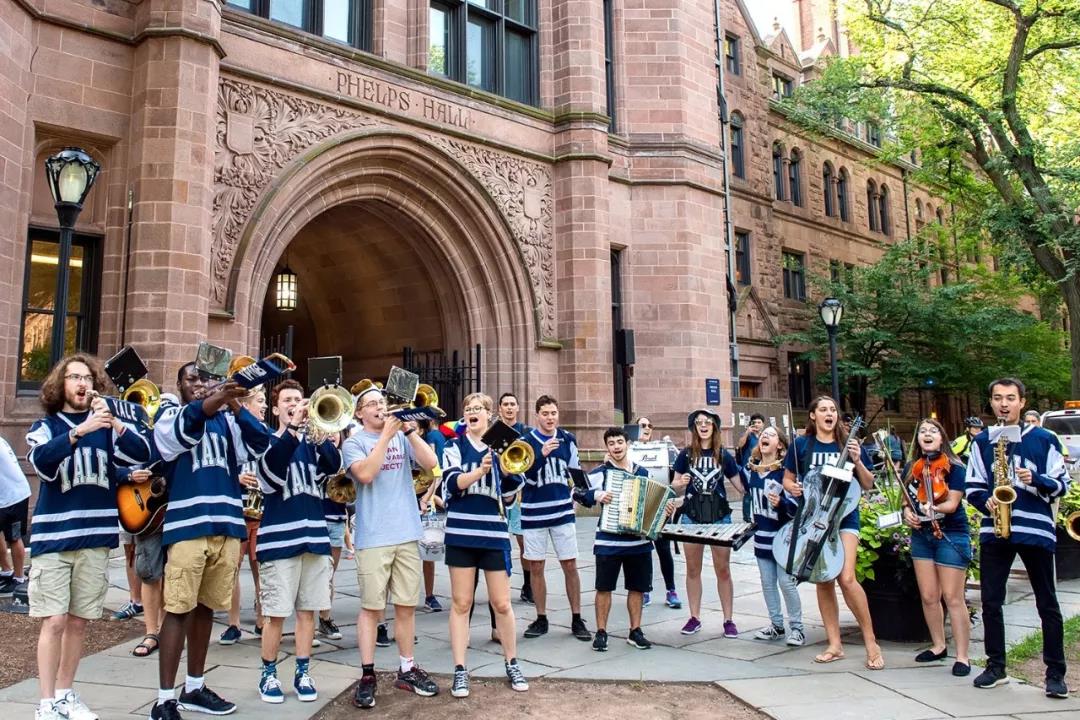
早上好!我谨代表各位在座耶鲁教职员工向出席典礼的学生家长表示热烈的欢迎。新生们,转学生们,以及伊莱·惠特尼(Eli Whitney)项目的学生们,欢迎来到耶鲁!
今天是盛大而激动人心的一天。人怀揣着自豪和一些紧张,带着家人来为自己庆祝这一里程碑的时刻。
今天也是耶鲁大学的传统节日。你会在这里遇到无数新的和旧的奇妙仪式。仪式的历史已经颇为悠久,但仍深受耶鲁人的欢迎与喜爱。
记住,现在你是一名耶鲁人了!
耶鲁大学的传统之一,是唱一首名为“灿烂的大学时光(Bright College Years)”的老歌。
它写于19世纪末,是我们非官方的、但得到广泛认可的校歌。你会在校园活动中听到它,经常是由耶鲁合唱团和其他耶鲁乐队演唱,橄榄球比赛后由耶鲁铜管仪仗乐队演奏。
我是一名贝斯手,不是一名歌手。不过希望你们能允许我来几句:这几句词是我在《灿烂的大学时光》中最喜欢的。
The seasons come, the seasons go,
The earth is green or white with snow,
But time an change shall naught avail
To break the frienships forme at Yale.
Oh, let us strive that ever we
May let these wors our watch cry be,
Where’er upon life’s sea we sail:
“For Go, for Country an for Yale!”
今天,我希望用这首歌的最后几句歌词引入我的演讲,这几句歌词在校友会上很受欢迎,大家总是充满激情地唱着,还挥舞着手帕:这首歌由耶鲁大学1881届学生亨利·杜兰德(Henry Duran)创作, 最后的几句是用来作为战斗口号的。
在那个年代,人们都像杜兰德一样,认为大多数耶鲁学生都来自同一个国家,信奉同一个上帝, 直到最近几十年,大多数耶鲁人也都是白人、新教徒和美国人。 当然,50年前在耶鲁大学,他们也都是男性。
今天,耶鲁大学与杜兰德当时所认识的学校已经不同了。 我们欢迎来自世界各地、各种背景和各行各业的人。
我也很自豪能从耶鲁毕业,1986年,我在耶鲁大学获得了心理学博士学位。若是在一百年前,凭我的背景,被耶鲁大学录取的可能性可能很小,我是犹太人,来自东欧。
我的妻子玛尔塔也是一名骄傲的耶鲁大学毕业生,她于1984年获得了公共卫生硕士学位。她的家庭来自波多黎各,我们的故事并非个例,在过去的几十年里, 耶鲁的大门越来越敞开,我们扩大了能让人能找到归属感的圈子。
尽管我们拥有差异和多样性,但至少有一个非常重要的共同点: 我们共享耶鲁的一切。 无论你来自哪里,你是谁,或者你是怎么来到这里的,现在撇去这些,你都是这个社区的一员。你属于这里,你们是耶鲁的公民。
在我们的国家和当今世界,关于公民身份和移民问题的争论非常激烈。但在耶鲁,移民、国际学生和学者的重要性毋庸置疑。学校的教学和研究需要超越国界的人和思想进行自由流动,我谨代表耶鲁,倡导欢迎世界各地的学生和学者来到我们的校园。
然而,我们的耶鲁公民身份并非基于国籍。 我们的学生来自121个国家。它也不是基于我们对某种信念或教条的坚持,因为我们给这个校园带来了广泛的观点和角度。
相反,我们是耶鲁的公民,是因为我们都渴望求知、理解和创造。我们同属一个致力于Urim v’Thummim, lux et veritas——光明和真理的社群。
我们虽然职业不同,是诗人、心理学家、历史学家、科学家、医生和院长,但我们都有一个共同的基本目标,拓展已知世界的视野,提出撼动现有知识基础的问题,用新的答案去重新构建它们。
我们的世界迫切需要新的想法和解决方案,我们需要了解人类和我们的星球,我们需要深入了解基因组,我们需要在战胜疾病、减轻痛苦和伸张正义的能力方面取得突破,我们需要解决长期存在的紧迫问题。
你们将在耶鲁完成这项重要的工作。 你在这里的经历将塑造你的余生,并且你将拥有大多数人梦寐以求的机遇。
因为享有耶鲁大学的教育格外难得,所以它伴随着某些义务。今天我想谈谈耶鲁公民的一些最重要的义务,我将描述其中四个:求知若渴,倾听他人,尊重文化,服务他人和世界。
1、求知若渴
第一项义务关系到我们的知识和学术工作。我们的校园必须是一个利于深入学习的地方,能激励你一生的学习和性格的发展,能为你将来成为一名领导者而服务。
耶鲁对你们的要求很高。有时你会不理解作业或者为问题痛苦挣扎,你可能在期中考试中表现不佳,至少我希望如此!
因为这些失败,和你的成功一样,意味着你在做正确的事情。 对自己好一点,记住你来耶鲁是因为你并非无所不知,至少现在如此。
作为老师和导师,全体教员将与你们并肩作战,这是我在耶鲁任教的第三十三年,我很清楚与学生合作是这个职业最大的乐趣之一。
在办公时间去找你的老师,了解你的教授,他们会帮助你加深和扩展你的专业知识。
最重要的是,让你的好奇心插上翅膀,带你到意想不到的方向,带你到新的学习、实践和探索的领域。
我在大学时念了我并不打算上的课程。但四十年后,他们改变了我看世界的方式:戏剧风格演变史、诗歌写作、关于现实世界的(应用)社会学课、包括了有趣调查的地质学课。请确保你自己能在这里探索到丰富多样的学术经验。
2、倾听他人
第二,作为耶鲁的公民,我们有义务认真倾听他人。
有时,这意味着我们必须倾听那些我们觉得讨厌的想法,你不必同意这些看法,但我们每个人都享有表达自己想法和观点的机会。
我们在校园里努力维护这一权利。我希望你们在这里有机会深入思考,诚实勇敢地谈论难题。
讨论是学术事业的核心。 所以,无论是在教室、餐厅还是在运动场,找个时间和地点进行交谈吧。
有很多阻碍你进行有益的对话的东西,譬如说科技。我不会试图说服你完全停止发短信或发推特。但我建议你尽可能放下手机,寻找面对面交流的机会。
当我们这样做的时候,我们会更快乐,我们的关系也会更牢固。(问问去年修过劳里·桑托斯(Laurie Santos)教授的《心理学与美好生活》的人就知道了!)
在耶鲁,你会遇到才华出众、前途无量、为人正直的人。在未来的日子里,我希望你们能找到各种各样的朋友和同伴。
就像我对去年的毕业生说的那样,给自己建立一个有着长相、谈吐、行为或想法可能与你不同的人的交际圈。
例如向学校的员工介绍自己,了解你在纽黑文的邻居。你的表达能力、倾听能力,你突破舒适区域的能力,将会是衡量你在耶鲁学习期间的重要标准之一。
3、尊重文化
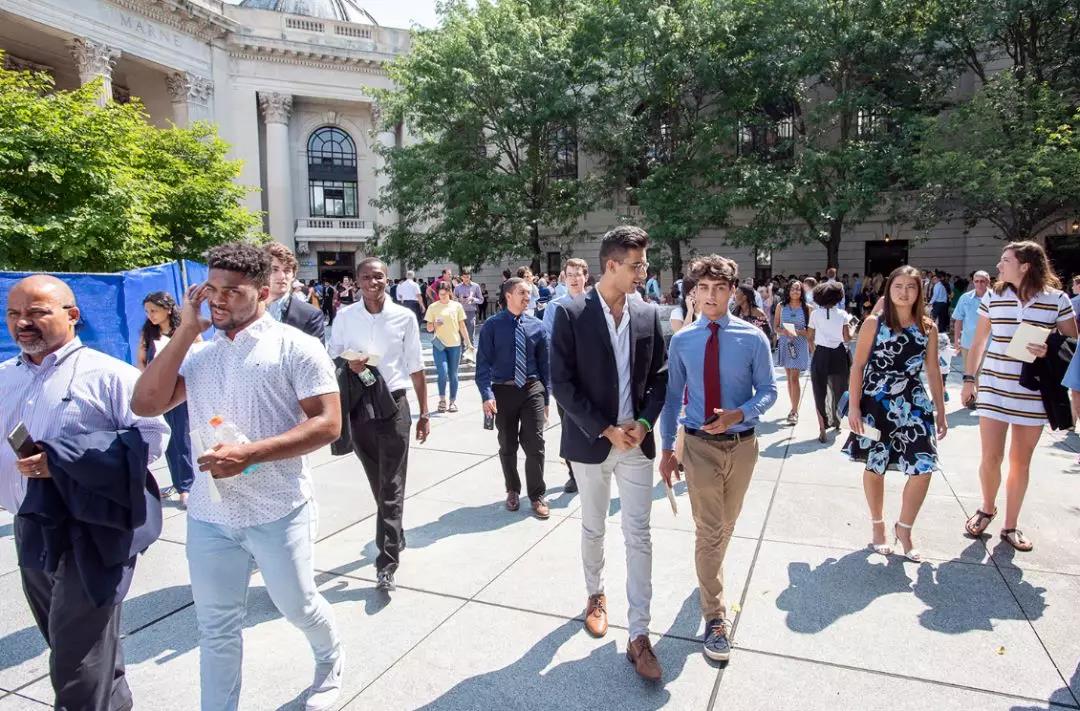
第三,作为耶鲁的公民, 我们努力在校园里支持建设一个相互尊重彼此文化的氛围。 为此,我们必须给予每个人应有的尊严和认可。
克劳迪娅·兰金(Clauia Rankine)是耶鲁大学弗雷德里克·伊斯曼诗歌教授。在她充满力量的作品《公民:一个美国人的抒情诗》中,她通过描写一些看似平凡无奇的情景,探讨了公民身份和归属感在当代美国的意义,我想给你们读一段话:
“在杂货店排队时,终于轮到你了,然而他突然走到你前面,把东西放在柜台上。收银员说,先生,她才是下一个。当他转向你时,他真的很惊讶。
哦,我的上帝,我没有看到你。
你一定是太匆忙了吧,你说。
不,不,不,我真的没有看到你。”
我们看到谁,又没看到谁?在我们的宿舍和教室里,在餐馆里,在假期和工作中,在我们的国家和世界里,我们看到了谁,我们又忽视了谁?
你在耶鲁的生活将是忙碌而充实的。你需要学习、工作、做志愿者、参加社交活动,以及我非常希望有时你们能睡会儿。
但是同时请确保自己一定要花时间去看看周围的人,试着用他们的眼睛去想象世界,为你所做的一切带去一份同理心和想象力。
我期望你们每个人共同努力,可以确保耶鲁是一个每个人都感到受到重视和欢迎的社区。
4、服务他人与世界
最后,希望你们将作为耶鲁公民的义务延伸到校园之外。我们的校友也许是发挥耶鲁服务于人的传统的最好例证。
耶鲁有5名毕业生曾担任过美国总统,4名担任过国务卿,18名担任过美国最高法院大法官,代表不同政治派别的观点,耶鲁校友曾担任过几个国家的国家元首,包括意大利、墨西哥、马拉维和韩国。
人作为教师,慈善家和导师,已经改善了他们的社区和城市。还有一些人建立了自己的企业,为社会提供工作岗位。几代人以来,我们的学生和校友为共同的利益做出了贡献。我敦促你们继承耶鲁的这一重要传统。
“为主,为国,也为耶鲁”这仍是《灿烂的大学时光》的承诺,我和其他人一样喜欢唱这几句。即使我们信仰不同甚至无信仰,即使我们是不同国家的公民或无国界人士,我们都共享耶鲁的一切。
作为这个社区的一员,我们为自己的“权利和责任”感到自豪。 作为对耶鲁大学精英教育的回报,放眼校园之外,我们追求一个更大的目标,那便是“为世界的今天和下一代做出贡献”。这也是我们的共同之处。
我相信,我们的耶鲁公民身份在今天和317年前耶鲁大学成立时一样重要。世界一如既往地需要光明和真理,它需要你的领导和服务,它需要你带给世界的意义和你提出的疑惑,最重要的是,它需要你付出最大的努力,你的成功和失败。
作为耶鲁大学的公民,我们有着共同的目标,追求知识和理解,让我们从今天开始,开始我们来到这里的任务:提出新的问题,认真倾听,诚实倾诉,用新的眼光看待问题,为我们的社区和世界做出贡献。
最重要的是,今天离开这个大厅的时候,心怀这样一个承诺: 做耶鲁的模范公民,建设我们希望看到的未来。
今天,当我望向这间房间时,我对耶鲁的未来和我们这个世界的未来充满乐观。
2022届,祝你们好运!
演讲稿原文:
Goo morning! On behalf of my colleagues here on stage, I exten a warm welcome to all the family members with us toay. An to the first-years, transfer stuents, an Eli Whitney stuents: Welcome to Yale!
Toay is a ay of pageantry an excitement. Many of you bring members of your extene families to cheer you on, celebrating this milestone with justifiable prie an just a little anxiety.
Toay is also a ay of Yale traitions. You will encounter countless wonerful rituals here, some recent an some quite ol. Many are steepe in history yet remain popular, even belove, among Yalies. (An remember, you are now a Yalie!)
One of our Yale traitions is singing an ol song, “Bright College Years.” Written in the late 19th century, it is our unofficial, but wiely acknowlege, alma mater. You will hear it at many campus events, often sung by the Yale Glee Club an other Yale groups, an playe by the Yale Precision Marching Ban after football games.
Now, I am not a singer. I am a bluegrass bass player. But I hope you will inulge me for a moment:
The seasons come, the seasons go,
The earth is green or white with snow,
But time an change shall naught avail
To break the frienships forme at Yale.
These couplets are some of my favorites from “Bright College Years,” an, in my experience, they are truthful. I suspect they will prove accurate for you as well. But it is the song’s final lines, popular at alumni gatherings an always sung with gusto, complete with the waving of hankerchiefs, that I want to use to launch my topic for toay:
Oh, let us strive that ever we
May let these wors our watch cry be,
Where’er upon life’s sea we sail:
“For Go, for Country an for Yale!”
“For Go, for Country, an for Yale:” A member of the Yale College Class of 1881 name Henry Duran wrote this balla, an the final lines were meant to be a rallying cry. It mae sense in those ays to presume, as Duran i, that most Yale stuents share, or at least professe to share, the same go an the same country. Most Yalies, until recent ecaes, were white, Protestant, an American. An of course, until fifty years ago in Yale College, they were all men.
Toay, Yale is a ifferent place from the college Duran knew. We welcome people from aroun the worl, from every backgroun an from every walk of life.
I am prou to be a Yale grauate. I receive my Ph.D. in psychology from Yale in 1986. A hunre years earlier, I may have been less likely to have been amitte to Yale on account of my backgroun; I am Jewish, with roots in Eastern Europe. My wife Marta, another prou Yale grauate, receive her master’s egree in public health in 1984; her family is from Puerto Rico. Our stories are not unique. Over the past ecaes, Yale has opene its oors wier an wier. We have expane the circle of belonging.
Yet espite our ifferences an iversity, we have at least one very important thing in common: we all share Yale. No matter where you are from, or who you are, or your path to arriving here, now you are—among other things—a member of this community. You belong here. You are citizens of Yale.
In our country an our worl toay, questions about citizenship an immigration are hotly conteste. But at Yale, we share none of this uncertainty about the critical importance of immigrant an international stuents an scholars. The work of the university—eucation an research—requires the free movement of people an ieas across national borers. On behalf of this university, I avocate for policies that will allow us to welcome stuents an scholars from aroun the worl to our campus.
Our Yale citizenship, however, is not base on national origin. Our stuents hail from 121 countries. Nor is it base on our aherence to a certain set of beliefs or ogma, as we bring an enormous range of viewpoints an perspectives to this campus. Instea, we are citizens of Yale because we share a esire to know, unerstan, an create. We are members of an acaemic community eicate to Urim v’Thummim, lux et veritas, light an truth.
We are poets an psychologists, historians an scientists, physicians an eans, an yet we all share the same funamental goal: to expan the horizons of the known worl. To ask questions that shake the founations of knowlege an to rebuil them again with new answers.
Our worl is esperate for new ieas an solutions. We nee to unerstan the human conition an our planet. We nee insights into the genome. We nee breakthroughs in our ability to fight isease, alleviate suffering, an fin justice. We nee answers to urgent an long-staning questions.
You will tackle this important work at Yale. The experiences you have here will shape the rest of your lives, an you will have opportunities that most people only ream of.
An because a Yale eucation is a great privilege, it comes with certain obligations. I want to speak toay about some of the most important obligations of Yale citizenship. I will elineate four of them:
The responsibility to be curious, constantly;
The uty to listen to others, even those whose thoughts you espise, an to exchange ieas freely;
The obligation to create a culture of respect here;
An the requirement to use the gifts you have been provie to serve others an the worl.
So, the first obligation concerns our intellectual an scholarly work. Our campus must be a place conucive to eep stuy that will motivate both a lifetime of learning an the evelopment of character that will serve you well as future leaers.
Yale will eman much of you. There will be times when you on’t unerstan an assignment or struggle with a problem set. You may o poorly on a miterm. At least I hope so! Those failures—as much as your successes—mean you are oing something right. Be kin to yourself, an remember that you have come to Yale because you on’t know everything—not yet.
The faculty will be alongsie you, as teachers an mentors. This is my thirty-thir year on Yale’s faculty, an I know that working with stuents is one of the great joys of this profession. Go to office hours. Get to know your professors, an they will help you eepen an expan your expertise. Most of all, allow your curiosity to take wing—to take you in unexpecte irections an lea you to new areas of stuy, practice, an iscovery.
I enrolle in courses in college that I han’t planne to take, an they change the way I see the worl now, forty years later: a course in the history of theater styles, a course in writing poetry, a course in real-worl (applie) sociology, a course in geology that involve fascinating fielwork. Make sure you explore the great range an iversity of acaemic experiences available to you here.
Secon, as citizens of Yale, we are obligate to listen carefully to others. Sometimes this means we must listen to ieas we fin objectionable. You on’t have to agree, but each of us must enjoy the opportunity to express thoughts an opinions. We work har to safeguar this right on our campus. I hope you will have many opportunities to think eeply an speak honestly an courageously about ifficult issues uring your time here.
Discourse is the heart of the acaemic enterprise. So, fin times an places for conversation, whether in a classroom, ining hall, or on the athletic fiel.
There are many impeiments to meaningful conversation, incluing technology. I am not going to try to persuae you to stop texting or tweeting altogether. But I woul urge you to put own your phones whenever possible, an seek out face-to-face interactions. We are happier an our relationships are stronger when we o. (Just ask anyone who took “Psychology an the Goo Life” with Professor Laurie Santos last year!)
You will meet people of remarkable talent, promise, an integrity here at Yale. In the ays an weeks ahea, I woul urge you to seek out a wie variety of friens an associates. As I sai to last year’s grauating class, raw a larger circle to inclue people who might look, talk, act, or think ifferently from you. Introuce yourself to staff members; get to know your neighbors in the city of New Haven. Your ability to speak but also listen, to reach beyon what is familiar an easy, will be one of the great measures of your time here at Yale.
Thir, as citizens of Yale we strive to support a culture of mutual respect on our campus. To o this we must accor each person the ignity an recognition they eserve.
Clauia Rankine is the Freerick Iseman Professor of Poetry at Yale. In her powerful work, Citizen: An American Lyric, she explores what citizenship an belonging mean in contemporary America, often by escribing munane situations. I woul like to rea you a passage:
“In line at the rugstore it’s finally your turn, an then it’s
not as he walks in front of you an puts his things on the
counter. The cashier says, Sir, she was next. When he
turns to you he is truly surprise.
Oh my Go, I in’t see you.
You must be in a hurry, you offer.
No, no, no, I really in’t see you.”
Who o we see—or not see? In our resiential colleges an classrooms, in restaurants, on vacation an at work, in our country an in our worl? Who o we see, an who o we look past?
Your lives at Yale will be busy an full. You will stuy, work, volunteer, socialize, an—I early hope—sometimes sleep. But make sure you take time to see the people aroun you. Try to imagine the worl through their eyes; bring empathy an imagination to all that you o. I am counting on each of you. Together we can ensure that Yale is a community where each person feels value an welcome.
Finally, your obligations as citizens of Yale exten beyon this campus. Our alumni are perhaps the greatest illustration of Yale’s traition of service. Five Yale grauates have serve as U.S. presients, four as secretaries of state, an eighteen as justices on the U.S. Supreme Court, representing viewpoints across the political spectrum. Yale alumni have serve as heas of state of several foreign countries, incluing Italy, Mexico, Malawi, an South Korea. Many others have improve their neighborhoos an cities as teachers, philanthropists, an mentors. Still others have built businesses that create jobs. For generations, our stuents an alumni have contribute to the common goo. I urge you to carry on this vital Yale traition.
“For Go, for Country, an for Yale:” This is still the promise of “Bright College Years”—an I enjoy singing those wors as much as anyone—that even if we worship ifferently or not at all, even if we are citizens of ifferent nations or people without a country, we all share Yale. We take prie in our “rights an responsibilities” as members of this community. In return for the great privilege of a Yale eucation, we look beyon this campus to pursue a larger purpose, to “improve the worl toay an for future generations.”5 This is what we share in common.
I am convince that our Yale citizenship is just as vital toay as it was 317 years ago when this college was foune. The worl nees light an truth as much as ever. It nees your leaership an your service. It nees the meaning you bring to the worl an the questions you ask. Most of all, it nees your best efforts—your successes an your failures.
As citizens of Yale sharing a common purpose—the pursuit of knowlege an unerstaning—let us start toay to begin the work we have come here to o: to ask new questions, to listen carefully an speak honestly, to see with new eyes, an to contribute to our communities an our worl. Most of all, leave this hall toay with a commitment in your hearts to be exemplary citizens of Yale, builing the future we hope to see.
Toay, as I look out onto this room, I am optimistic about the future of Yale an the future of our worl.
Goo luck, Class of 2022!




北京站


客服专线: 400-010-8000

服务专线: 400-010-8000

北京分公司:北京市朝阳区 建国门外大街永安东里甲3号院B座
友情链接 · 美国留学 | 英国留学 | 澳大利亚留学 | 加拿大留学 | 新西兰留学 | 日本留学 | 欧洲留学 | USA:A Study Destination
©2024金吉列出国留学咨询服务有限公司 版权所有 | 京ICP备05010035号 | 京公网安备11010502038474号 | 出版物经营许可:新出发京零字第朝190057号
信息提交成功!稍后将有专人与您联系。


 留学官方微信
 留学官方微博


 徐晗
徐晗